Philosophy of post‑injury fitness and guided movement.
The philosophy behind this recovery‑oriented training space is simple: movement should rebuild trust in the body instead of amplifying fear or uncertainty. Programs honor surgical healing timelines and tissue adaptation rates but also recognize that people carry emotional and psychological weight after injury—worry about re‑injury, frustration about lost capabilities and pressure to return quickly to work or sport. Training is therefore designed to be technically sound and emotionally supportive, with coaches explaining why specific drills are chosen, how they interact with healing structures and what sensations are expected or not. This transparency makes each session feel like a guided lesson in how the body recovers, not just a list of tasks to execute.
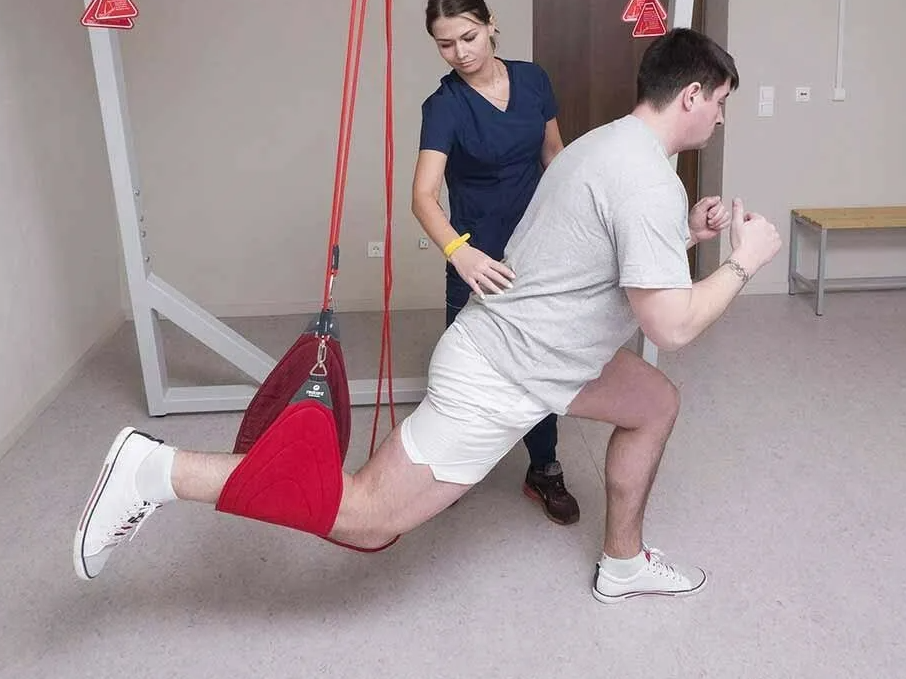
The environment emphasizes accessibility: adjustable equipment, clear movement demonstrations and gradual exposure to more complex patterns such as single‑leg stability, rotation and deceleration. Clients who have never liked conventional gyms often find that this more intentional setup, with softer lighting, thoughtful music choices and measured pacing, feels safe enough to experiment with movement again. Over time, the aim is that people stop identifying primarily as “injured” and instead see themselves as capable movers in a rebuilding phase, equipped with knowledge and strategies they can carry into any future training context, whether that is independent gym work, sport participation or outdoor activities.
Collaboration is encouraged across disciplines: physiotherapists provide input on contraindications and priorities, trainers translate those insights into session structure and progression, and clients share real‑world feedback about how their body responds in daily life. That triad helps refine programs week by week, keeping them responsive instead of rigid. This collaborative model also recognizes that no single session will decide the outcome of a recovery journey; instead, consistent, moderate, intelligently planned work over months makes the difference. When that philosophy is embraced, setbacks are framed as data points rather than catastrophes, and each client gains a more resilient mindset alongside physical improvements.
Guiding principles
Safety first, thoughtful progression, education, and respect for both physical and psychological aspects of recovery.