RF

RehabFit Rush

Post‑injury & post‑surgery training

Why rehabilitation‑focused training stands out.

Precision‑crafted recovery plans with clinical awareness

Recovery plans are built after a detailed intake, that includes surgical history, imaging reports (where available), current symptoms and mobility screenings. Instead of generic sets and reps, each phase of the plan defines goals for range of motion, load tolerance and movement quality, with regular checkpoints and re‑assessment. In many cases, trainers coordinate with physiotherapists or physicians to align exercises with rehabilitation protocols, helping reduce the risk of setbacks or overuse during fragile stages of healing. This method gives clients clarity about what each week of training is trying to achieve, making progress feel tangible and intentional.
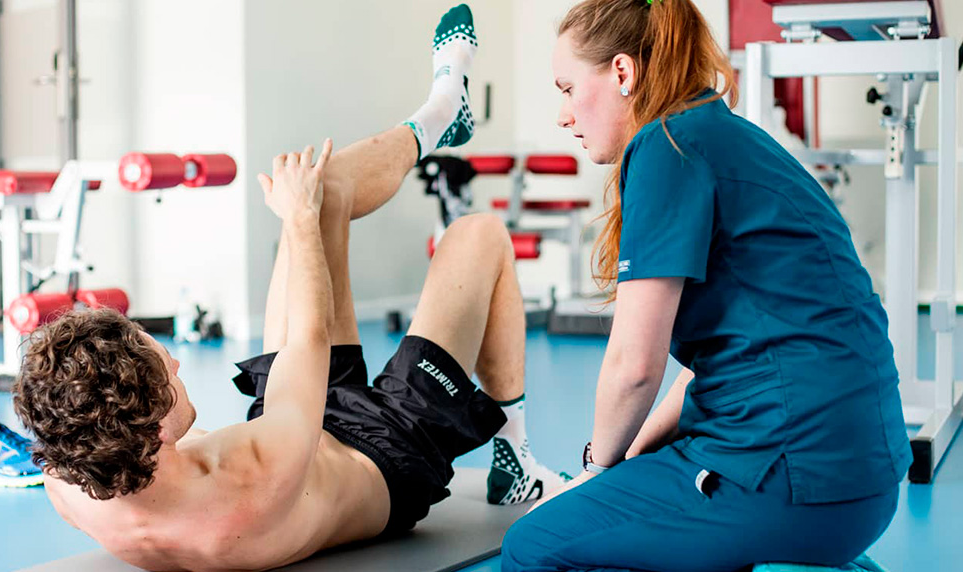
Immersive support from staff educated in rehab principles

Staff members are trained to observe compensation patterns, fatigue signals and pain responses, and to adjust sessions on the fly so that training stays within safe thresholds. They coach breathing, bracing, joint alignment and tempo, helping clients learn how to move more intelligently under load instead of simply trying to “push through”. Beyond in‑session guidance, clients receive simple micro‑routines for home and office environments: short circulation drills, spinal decompression strategies, and joint‑friendly mobility sequences that fit into busy schedules, reinforcing the work done in the gym. The overarching aim is to create an atmosphere where questions are encouraged and small adjustments are considered part of the process, not failures.

Long‑term resilience and performance, not just discharge

Many clients arrive after having been formally discharged from physiotherapy while still feeling fragile, stiff or anxious about movement. Here, the journey continues beyond that administrative endpoint, with programming that gradually transitions from rehabilitation parameters to performance‑oriented training. Joint integrity, muscular endurance and coordination are strengthened so that daily tasks, sport and travel become easier and more enjoyable. Education on sleep, stress, workload management and realistic training expectations helps people avoid the boom‑and‑bust cycle of doing too much on “good” days and crashing afterward. Over time, this model turns rehabilitation into a gateway: from cautious movement to confident lifting, playing and living with fewer limitations.

Advantages of structured rehabilitation fitness

Structured phases

Clear transitions from pain management and mobility to strength, power and daily function.

Holistic focus

Attention to posture, breathing patterns, ergonomic habits and mental readiness for movement.